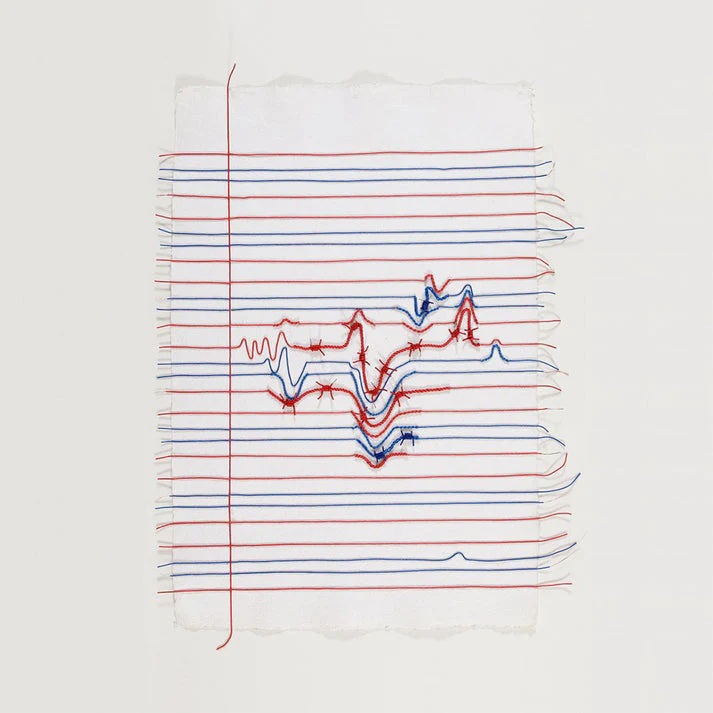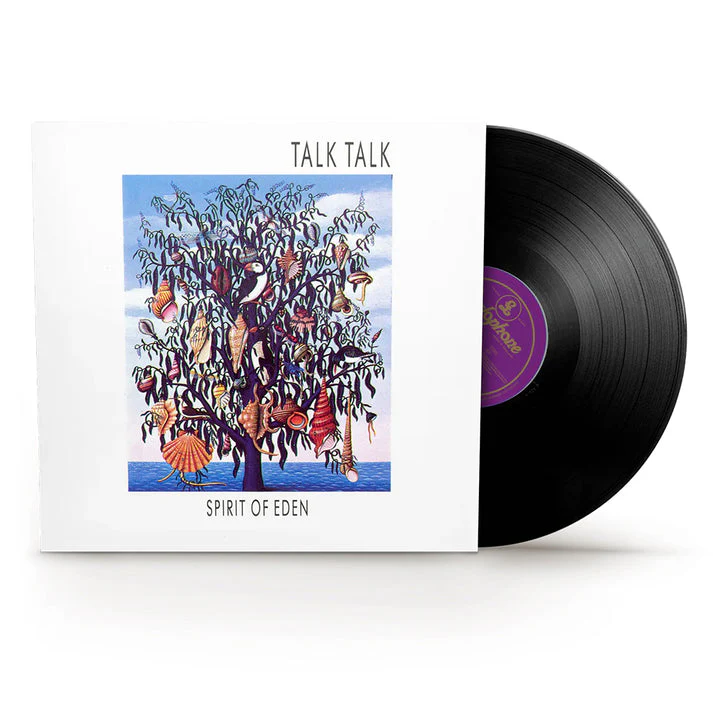
Talk Talk - Spirit Of Eden
Album of the Week: Talk Talk – Spirit of Eden
Staff Review
One of the greatest albums of the 80s, if not of all time, and one of the biggest left turns in the history of rock and pop. Talk Talk leave almost all semblance of their previous synth-pop and stadium rock triumphs in the dust, delivering an album that would go on to play a key role in defining the post-rock genre as we understand it today.
The history and development of Talk Talk remains one of the most curious in popular music. Forming in 1981, the band initially scored a huge hit with the synth-pop single It’s My Life (if you haven’t heard theirs, then you’ve heard No Doubt’s cover), before evolving into one of the best rock bands in the world with the release of The Colour of Spring (1986), and its stadium-sized, larger-than-life singles Life’s What You Make It and Living In Another World. While the hallmarks of what was to come lay in the sublime melancholy of The Colour of Spring track April 5th, Spirit of Eden remains one of the most impressive, beguiling, and influential left turns in the history of rock music.
Rather than following up The Colour of Spring with… another The Colour of Spring, Talk Talk instead, much to their record label’s disdain, recorded a rock album that sounded like little else in the genre before it. Recorded mostly in the dark, aided by the glow of psychedelic oil wheel projectors, between May 1987 and March 1988, Spirit of Eden reimagines rock in a fragmentary, incredibly expressive form. While approaches like this had existed in jazz, experimental rock, and contemporary classical circles, Spirit of Eden stands as a landmark album in the Western idea of what rock music could be.
Talk Talk singer and songwriter Mark Hollis was a musician guided by the philosophy of “play one note well, rather than two notes badly”, and that dedication to brevity and careful consideration makes itself known throughout Spirit of Eden. As such, the album’s six tracks, best heard in their intended running order, are constructed from fragments, jam sessions, ideas, and sketches, painstakingly pieced together into six individual vignettes, movements, or sections of a singular masterpiece. Alongside jazz influences (Miles Davis’ Sketches of Spain is cited by Hollis as a particular inspiration), there are traces of minimalist music, as well as the freewheeling experimentalism of post-punk, krautrock, and 60s psychedelia. Engineer Phill Brown, who worked with Traffic and Led Zeppelin, plays a key role here. While these touchstones may be familiar, the way they are deployed, often sparingly, combined with the album’s almost sacred, holy atmosphere, is truly a marvel to behold.
The music itself is unusually amorphous, unfurling and blooming before shrinking and vanishing again. Smaller, otherwise indistinct sounds are frequently given greater presence than usual, with each nuance appreciated and assigned a crucial role. The album is incredibly rich in sonic dynamics, and producer and instrumentalist Tim Friese-Greene’s capturing of the band may stand as one of the greatest production achievements in rock music, encapsulating the live feel of sound, the organic qualities of the instrumentation, and the atmospherics of a room. Silence and space, too, are afforded a prominence rarely heard in rock before this point, their presence felt as loudly as the noise that precedes and follows them. Hollis’ vocals are used more as a textural instrument than ever before, shifting from gentle, almost inaudible murmurs to wild, passionate yelps. When his lyrics are decipherable, they speak of existentialism, salvation, and redemption, delivered, from whisper to howl, with a palpable sense of catharsis and ecstasy, heightening the album’s ethereal spirituality.
Spirit of Eden is such a life-changing listening experience that it feels almost futile to single out highlights, but at a push it’s impossible to look beyond the opening track The Rainbow, which seems to summon unpredictable, left-field magic at will, and I Believe In You, Hollis’ heartbreaking depiction of the effects of heroin addiction, and one of the most exquisite pieces of music ever created.
A magical record that is 100% ESSENTIAL.
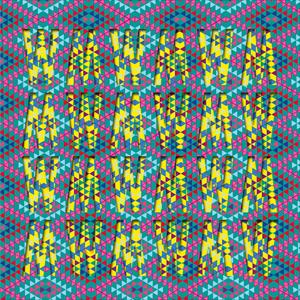
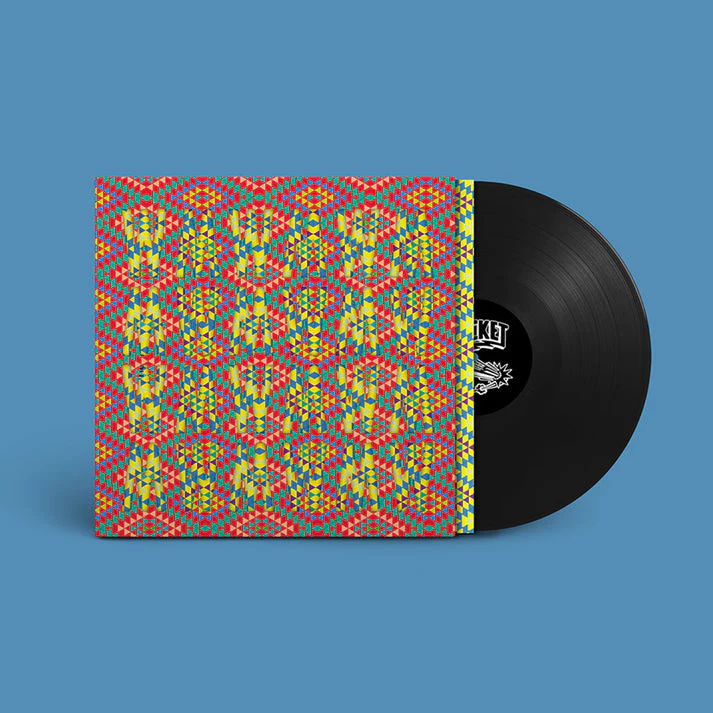
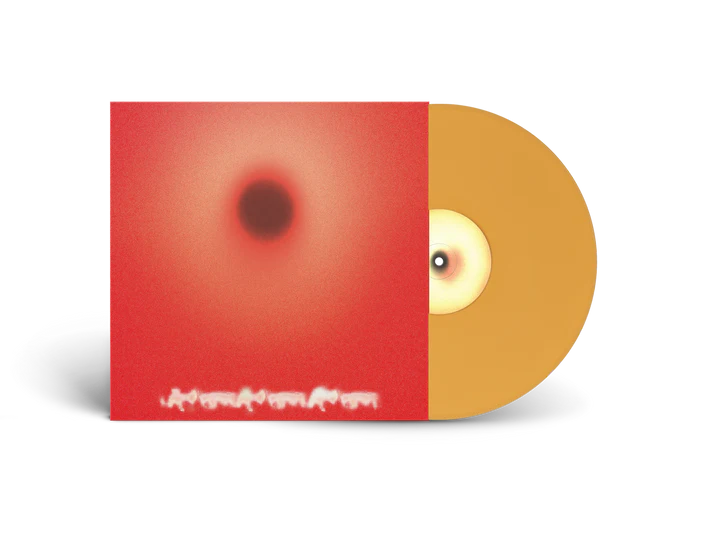
Talk Talk – Spirit of Eden is out now on Vinyl LP (Half-Speed Master)
Often lauded a masterpiece, Spirit Of Eden marked a radical change from Talk Talk’s synth-pop beginnings - moulding into an album that would go onto pioneer post-rock.
The album was produced over the course of almost a year, compiling improvised, experimental performances which culminated in a mixture of jazz, ambient, and rock into one of the most experimental albums.
Released in 1988, the album has somewhat grown in cult status to frequently appear on a number of greatest albums of all time lists.
Album of the Week: Talk Talk – Spirit of Eden
Staff Review
One of the greatest albums of the 80s, if not of all time, and one of the biggest left turns in the history of rock and pop. Talk Talk leave almost all semblance of their previous synth-pop and stadium rock triumphs in the dust, delivering an album that would go on to play a key role in defining the post-rock genre as we understand it today.
The history and development of Talk Talk remains one of the most curious in popular music. Forming in 1981, the band initially scored a huge hit with the synth-pop single It’s My Life (if you haven’t heard theirs, then you’ve heard No Doubt’s cover), before evolving into one of the best rock bands in the world with the release of The Colour of Spring (1986), and its stadium-sized, larger-than-life singles Life’s What You Make It and Living In Another World. While the hallmarks of what was to come lay in the sublime melancholy of The Colour of Spring track April 5th, Spirit of Eden remains one of the most impressive, beguiling, and influential left turns in the history of rock music.
Rather than following up The Colour of Spring with… another The Colour of Spring, Talk Talk instead, much to their record label’s disdain, recorded a rock album that sounded like little else in the genre before it. Recorded mostly in the dark, aided by the glow of psychedelic oil wheel projectors, between May 1987 and March 1988, Spirit of Eden reimagines rock in a fragmentary, incredibly expressive form. While approaches like this had existed in jazz, experimental rock, and contemporary classical circles, Spirit of Eden stands as a landmark album in the Western idea of what rock music could be.
Talk Talk singer and songwriter Mark Hollis was a musician guided by the philosophy of “play one note well, rather than two notes badly”, and that dedication to brevity and careful consideration makes itself known throughout Spirit of Eden. As such, the album’s six tracks, best heard in their intended running order, are constructed from fragments, jam sessions, ideas, and sketches, painstakingly pieced together into six individual vignettes, movements, or sections of a singular masterpiece. Alongside jazz influences (Miles Davis’ Sketches of Spain is cited by Hollis as a particular inspiration), there are traces of minimalist music, as well as the freewheeling experimentalism of post-punk, krautrock, and 60s psychedelia. Engineer Phill Brown, who worked with Traffic and Led Zeppelin, plays a key role here. While these touchstones may be familiar, the way they are deployed, often sparingly, combined with the album’s almost sacred, holy atmosphere, is truly a marvel to behold.
The music itself is unusually amorphous, unfurling and blooming before shrinking and vanishing again. Smaller, otherwise indistinct sounds are frequently given greater presence than usual, with each nuance appreciated and assigned a crucial role. The album is incredibly rich in sonic dynamics, and producer and instrumentalist Tim Friese-Greene’s capturing of the band may stand as one of the greatest production achievements in rock music, encapsulating the live feel of sound, the organic qualities of the instrumentation, and the atmospherics of a room. Silence and space, too, are afforded a prominence rarely heard in rock before this point, their presence felt as loudly as the noise that precedes and follows them. Hollis’ vocals are used more as a textural instrument than ever before, shifting from gentle, almost inaudible murmurs to wild, passionate yelps. When his lyrics are decipherable, they speak of existentialism, salvation, and redemption, delivered, from whisper to howl, with a palpable sense of catharsis and ecstasy, heightening the album’s ethereal spirituality.
Spirit of Eden is such a life-changing listening experience that it feels almost futile to single out highlights, but at a push it’s impossible to look beyond the opening track The Rainbow, which seems to summon unpredictable, left-field magic at will, and I Believe In You, Hollis’ heartbreaking depiction of the effects of heroin addiction, and one of the most exquisite pieces of music ever created.
A magical record that is 100% ESSENTIAL.
Talk Talk – Spirit of Eden is out now on Vinyl LP (Half-Speed Master)
Often lauded a masterpiece, Spirit Of Eden marked a radical change from Talk Talk’s synth-pop beginnings - moulding into an album that would go onto pioneer post-rock.
The album was produced over the course of almost a year, compiling improvised, experimental performances which culminated in a mixture of jazz, ambient, and rock into one of the most experimental albums.
Released in 1988, the album has somewhat grown in cult status to frequently appear on a number of greatest albums of all time lists.
Description
Album of the Week: Talk Talk – Spirit of Eden
Staff Review
One of the greatest albums of the 80s, if not of all time, and one of the biggest left turns in the history of rock and pop. Talk Talk leave almost all semblance of their previous synth-pop and stadium rock triumphs in the dust, delivering an album that would go on to play a key role in defining the post-rock genre as we understand it today.
The history and development of Talk Talk remains one of the most curious in popular music. Forming in 1981, the band initially scored a huge hit with the synth-pop single It’s My Life (if you haven’t heard theirs, then you’ve heard No Doubt’s cover), before evolving into one of the best rock bands in the world with the release of The Colour of Spring (1986), and its stadium-sized, larger-than-life singles Life’s What You Make It and Living In Another World. While the hallmarks of what was to come lay in the sublime melancholy of The Colour of Spring track April 5th, Spirit of Eden remains one of the most impressive, beguiling, and influential left turns in the history of rock music.
Rather than following up The Colour of Spring with… another The Colour of Spring, Talk Talk instead, much to their record label’s disdain, recorded a rock album that sounded like little else in the genre before it. Recorded mostly in the dark, aided by the glow of psychedelic oil wheel projectors, between May 1987 and March 1988, Spirit of Eden reimagines rock in a fragmentary, incredibly expressive form. While approaches like this had existed in jazz, experimental rock, and contemporary classical circles, Spirit of Eden stands as a landmark album in the Western idea of what rock music could be.
Talk Talk singer and songwriter Mark Hollis was a musician guided by the philosophy of “play one note well, rather than two notes badly”, and that dedication to brevity and careful consideration makes itself known throughout Spirit of Eden. As such, the album’s six tracks, best heard in their intended running order, are constructed from fragments, jam sessions, ideas, and sketches, painstakingly pieced together into six individual vignettes, movements, or sections of a singular masterpiece. Alongside jazz influences (Miles Davis’ Sketches of Spain is cited by Hollis as a particular inspiration), there are traces of minimalist music, as well as the freewheeling experimentalism of post-punk, krautrock, and 60s psychedelia. Engineer Phill Brown, who worked with Traffic and Led Zeppelin, plays a key role here. While these touchstones may be familiar, the way they are deployed, often sparingly, combined with the album’s almost sacred, holy atmosphere, is truly a marvel to behold.
The music itself is unusually amorphous, unfurling and blooming before shrinking and vanishing again. Smaller, otherwise indistinct sounds are frequently given greater presence than usual, with each nuance appreciated and assigned a crucial role. The album is incredibly rich in sonic dynamics, and producer and instrumentalist Tim Friese-Greene’s capturing of the band may stand as one of the greatest production achievements in rock music, encapsulating the live feel of sound, the organic qualities of the instrumentation, and the atmospherics of a room. Silence and space, too, are afforded a prominence rarely heard in rock before this point, their presence felt as loudly as the noise that precedes and follows them. Hollis’ vocals are used more as a textural instrument than ever before, shifting from gentle, almost inaudible murmurs to wild, passionate yelps. When his lyrics are decipherable, they speak of existentialism, salvation, and redemption, delivered, from whisper to howl, with a palpable sense of catharsis and ecstasy, heightening the album’s ethereal spirituality.
Spirit of Eden is such a life-changing listening experience that it feels almost futile to single out highlights, but at a push it’s impossible to look beyond the opening track The Rainbow, which seems to summon unpredictable, left-field magic at will, and I Believe In You, Hollis’ heartbreaking depiction of the effects of heroin addiction, and one of the most exquisite pieces of music ever created.
A magical record that is 100% ESSENTIAL.
Talk Talk – Spirit of Eden is out now on Vinyl LP (Half-Speed Master)
Often lauded a masterpiece, Spirit Of Eden marked a radical change from Talk Talk’s synth-pop beginnings - moulding into an album that would go onto pioneer post-rock.
The album was produced over the course of almost a year, compiling improvised, experimental performances which culminated in a mixture of jazz, ambient, and rock into one of the most experimental albums.
Released in 1988, the album has somewhat grown in cult status to frequently appear on a number of greatest albums of all time lists.