Ravi Shankar - The Sounds Of India
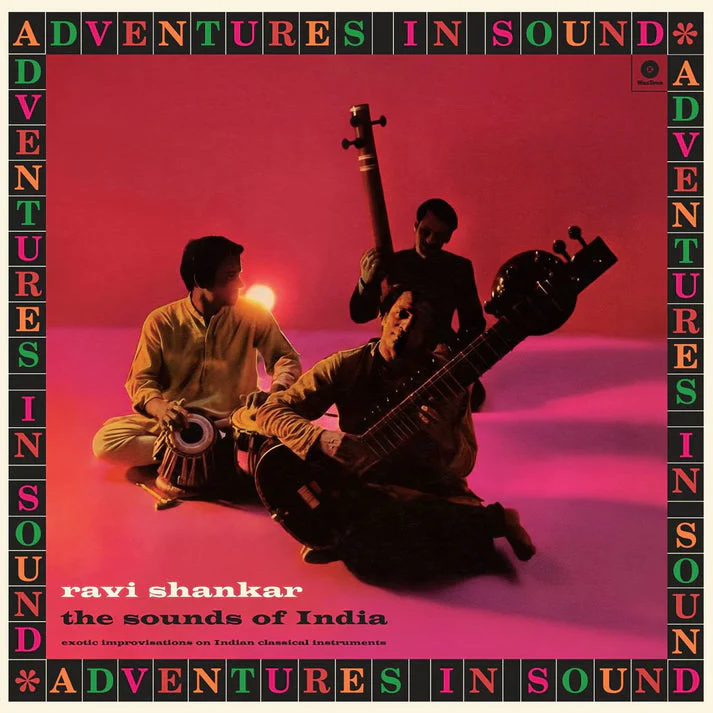
The Sounds of India by the most famous sitar player Ravi Shankar (1920 - 2012), was recorded with a desire to spread the word on the beauty and complexity of India's classical music.
To give the listener an insight to what he or she is hearing, each tune has a spoken introduction by Shankar.
As well as an album of magical music, it also serves as a great educational tool for the uninitiated to Indian classical music.
Ravi Shankar (1920-2012) was one of the best-known exponents of the sitar in the second half of the 20th century as well as a renowned composer of Hindustani classical music.
In 1956, he began to tour Europe and the Americas playing Indian classical music and increased its popularity during the 1960s through teaching, performances, and his association with violinist Yehudi Menuhin and The Beatles' guitarist George Harrison.
The Sounds of India (1957) stands as an early attempt to teach the curious western listener about the complexity and beauty of Indian music.
"One of the early works of art created for the West by the Grandfather of World Music.
This album stands as an early attempt to teach the curious western listener about the complexity and beauty of Indian music.
Throughout the album, short lessons in the forms and techniques are given by Shankar himself before the various pieces are performed.
Give this one a number of listens for the music itself, and maybe a spare just for the history in it." - ***** Adam Greenberg, AllMusic
The Sounds of India by the most famous sitar player Ravi Shankar (1920 - 2012), was recorded with a desire to spread the word on the beauty and complexity of India's classical music.
To give the listener an insight to what he or she is hearing, each tune has a spoken introduction by Shankar.
As well as an album of magical music, it also serves as a great educational tool for the uninitiated to Indian classical music.
Ravi Shankar (1920-2012) was one of the best-known exponents of the sitar in the second half of the 20th century as well as a renowned composer of Hindustani classical music.
In 1956, he began to tour Europe and the Americas playing Indian classical music and increased its popularity during the 1960s through teaching, performances, and his association with violinist Yehudi Menuhin and The Beatles' guitarist George Harrison.
The Sounds of India (1957) stands as an early attempt to teach the curious western listener about the complexity and beauty of Indian music.
"One of the early works of art created for the West by the Grandfather of World Music.
This album stands as an early attempt to teach the curious western listener about the complexity and beauty of Indian music.
Throughout the album, short lessons in the forms and techniques are given by Shankar himself before the various pieces are performed.
Give this one a number of listens for the music itself, and maybe a spare just for the history in it." - ***** Adam Greenberg, AllMusic
Original: $22.36
-65%$22.36
$7.83Description
The Sounds of India by the most famous sitar player Ravi Shankar (1920 - 2012), was recorded with a desire to spread the word on the beauty and complexity of India's classical music.
To give the listener an insight to what he or she is hearing, each tune has a spoken introduction by Shankar.
As well as an album of magical music, it also serves as a great educational tool for the uninitiated to Indian classical music.
Ravi Shankar (1920-2012) was one of the best-known exponents of the sitar in the second half of the 20th century as well as a renowned composer of Hindustani classical music.
In 1956, he began to tour Europe and the Americas playing Indian classical music and increased its popularity during the 1960s through teaching, performances, and his association with violinist Yehudi Menuhin and The Beatles' guitarist George Harrison.
The Sounds of India (1957) stands as an early attempt to teach the curious western listener about the complexity and beauty of Indian music.
"One of the early works of art created for the West by the Grandfather of World Music.
This album stands as an early attempt to teach the curious western listener about the complexity and beauty of Indian music.
Throughout the album, short lessons in the forms and techniques are given by Shankar himself before the various pieces are performed.
Give this one a number of listens for the music itself, and maybe a spare just for the history in it." - ***** Adam Greenberg, AllMusic